Guides
Denver sports massage demand compared with Miami resort spa demand
Massage therapy practice operations in Denver and Miami differ by seasonality, pricing, therapist skills and referral sources. Compare both models here.
What to take away
- Massage therapy practice operations in Denver and Miami run on different calendars, price points and referral networks.
- Denver sports recovery clients book year round, with peaks around winter sports and spring marathon training.
- Miami hotel and resort guests arrive mostly from November through April, and the summer months are quiet.
- Denver rates are usually lower than Miami resort rates, but Miami adds resort fees and higher gratuity expectations.
- Denver rewards deep tissue and injury knowledge; Miami rewards relaxation, aromatherapy and hospitality polish.
- Referrals in Denver come from athletic programs and clinics; in Miami they come from hotel concierge desks and spas.
Two client bases: Denver sports recovery and Miami resort guests
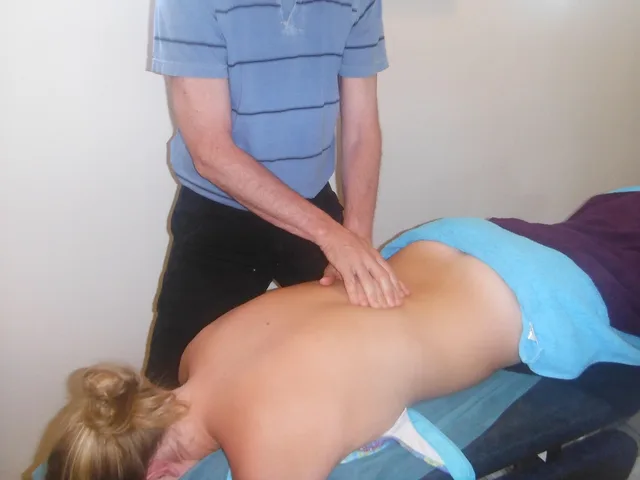
Denver sports recovery clients are locals who train hard. They ski, run the trails at altitude, cycle and play in adult leagues. They book because something hurts or because they want to keep training. Many hold gym memberships and see a physical therapist or chiropractor on a schedule.
Named examples include the Colorado Athletic Club, Denver Athletic Club, and Runners Roost training groups. Local sports medicine referral sources include UCHealth, Denver Health, and Steadman Hawkins Clinic Denver.
Miami hotel and resort guests are visitors. They stay a few nights in South Beach, Brickell or Bal Harbour. They book a massage as part of a vacation, often through the hotel spa or concierge. They may never return, so the relationship is short.
Named examples include the Fontainebleau Miami Beach, The Setai, and Loews Miami Beach. Their spas and concierge desks, such as Lapis Spa at Fontainebleau, are common booking channels.
That difference shapes everything. A Denver practice builds repeat visits and treatment plans. A Miami practice builds volume, packaging and partnerships with hotels. Both can be profitable, but they need different operations.
Denver sits at the edge of the Rockies, and Colorado's fitness and outdoor recreation base is large. Sports medicine clinics, running stores and gyms form a dense referral web.
Florida's tourism economy is the opposite pole: hotels, cruise terminals and convention centers bring a steady flow of visitors to Miami. The spa is an amenity, and the therapist is part of the hospitality staff.
If you are Picking a market, decide whether you want repeat local clients or transient guests. The two models rarely mix well under one roof.
Seasonality in each market, month by month
Colorado and Florida sit at opposite ends of the seasonal calendar. Colorado peaks in winter and spring, when ski season and marathon training fill the book. Florida peaks from November through April, when northern visitors escape the cold.
Denver vs Miami demand calendar
- Jan-MarDenver ski recovery peak
- Apr-JunDenver race training peak
- Jul-AugDenver slower, travel season
- Sep-OctDenver fall races, ski prep
- Nov-AprMiami high season, hotels full
- May-JunMiami demand tapers off
- Jul-OctMiami low season, storms
Denver demand has two peaks. January through March is ski season, and weekend warriors book recovery sessions. April through June is marathon and trail race season, so training blocks drive bookings.
Named drivers include the Colfax Marathon in May and ski weekends at Vail, Breckenridge, and Winter Park.
July and August are steady but slower, as people travel. September and October pick up again with fall races and ski conditioning. November and December are mixed: holiday stress brings some bookings, but travel reduces them.
Miami demand is the reverse. November through April is high season, when hotels are full and spa menus sell out. May and June taper off. July through October is low season, with heat, humidity and hurricane risk. Some Florida hotels close spas or cut hours. Locals fill some gaps, but not enough to match winter volume.
Named drivers include Art Basel Miami Beach in December and the Miami Open in March.
This seasonality comparison matters for cash flow. A Denver practice can plan on winter and spring revenue. A Miami practice must save from winter to cover summer. Neither market is flat, so you need a reserve.
Weather also affects no-shows. Denver snow can delay clients, so build buffer time into the schedule. Miami afternoon storms can do the same in summer.
For a deeper look at the massage therapy services that drive demand, track local tourism and race calendars in your own numbers.
Pricing and gratuity norms side by side
The table below shows typical ranges for a 60 minute session in each market. These are market norms, not a quote from any single spa.
Pricing and gratuity norms
Denver sports massage
- 60 minute session
- $85-$130
- 90 minute session
- $130-$190
- Gratuity norm
- 15-20 percent
- Facility fee
- Rare
- Package style
- 5-10 session packs
- Cancellation window
- 24 hours
Miami resort spa
- 60 minute session
- $150-$250
- 90 minute session
- $220-$350
- Gratuity norm
- 18-22 percent added
- Facility fee
- $20-$50 common
- Package style
- Spa day packages
- Cancellation window
- 24-48 hours
Denver pricing is built on repeat visits. Clients compare you with physical therapy copays, so a high price needs a clear outcome. Many practices sell five or ten session packs at a discount.
At Massage Envy and Elements Massage Denver locations, typical 60 minute rates are $70 to $130. These are typical ranges.
Miami pricing is built on the guest's vacation budget. The hotel takes a cut, often 40 to 50 percent of the service price. That cut is why the menu price is high. Gratuity may be added automatically, and the guest may not carry cash.
At Lapis Spa at Fontainebleau Miami Beach and The Spa at The Setai, typical 60 minute rates are $180 to $300 before 20 percent gratuity and facility fees. These are typical ranges.
Colorado and Florida also differ in operating cost. Denver rents run below Miami Beach retail space, so a Miami operator keeps a smaller share of each session price after rent. You can check business cost statistics for pricing context at the Bureau of Labor Statistics.
For more on how to set rates, see our guide to pricing and profit.
Therapist skills each market rewards
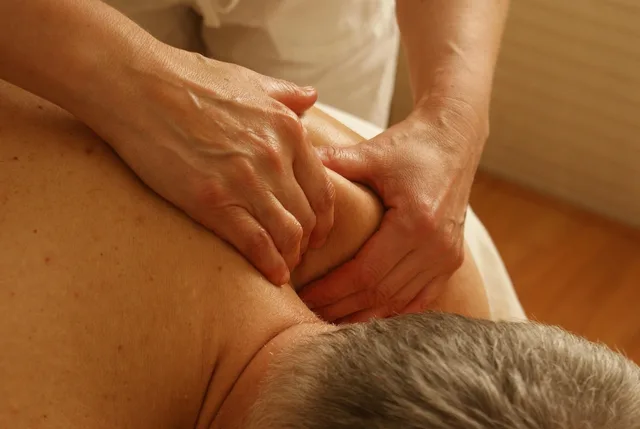
Denver sports massage demands anatomy knowledge. Therapists need to assess gait, range of motion and trigger points. They should know how to work around injuries and when to refer out. Continuing education in orthopedic massage, myofascial release and sports taping helps. A therapist who can talk to runners and lifters will keep clients.
Named tools include NormaTec recovery boots, Hyperice Hypervolt, Theragun, Graston Technique, and RockTape.
Skills each market rewards
Denver sports massage
- Core skill
- Anatomy assessment
- Techniques
- Myofascial release, taping
- Client talk
- Runners and lifters
- Pacing
- Injury-based
- Pay structure
- Higher base plus commission
Miami resort spa
- Core skill
- Relaxation consistency
- Techniques
- Aromatherapy, hot stones
- Client talk
- Multilingual guests
- Pacing
- Protocol to the minute
- Pay structure
- Lower base plus service charge
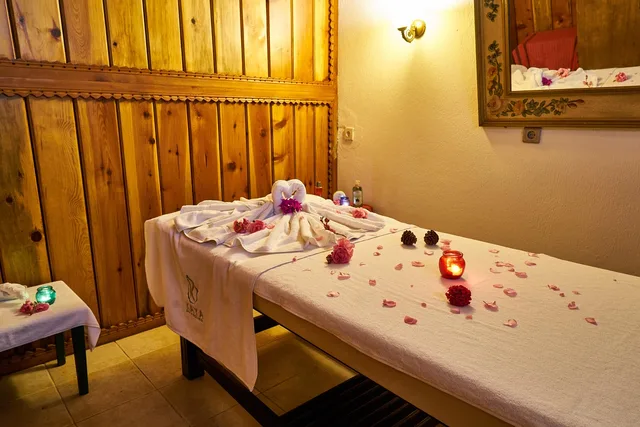
Miami resort spa work demands different skills. Therapists must deliver a consistent relaxation massage, often with aromatherapy, hot stones or couples choreography. They must follow spa protocols and timing to the minute. Hospitality matters: greeting, draping, room setup and quiet transitions. Multilingual staff are an asset in Miami, where many guests speak Spanish or Portuguese.
Named examples include hot stone massage, aromatherapy, and couples massage at Lapis Spa, The Spa at The Setai, and The Standard Spa.
Both markets need license compliance. Colorado and Florida each license massage therapists through their own state boards, with separate renewal rules and continuing education hours. Check your state board before you hire or open.
Colorado licenses through the Colorado Department of Regulatory Agencies (DORA), Division of Professions and Occupations. Florida licenses through the Florida Department of Health, Board of Massage Therapy. Both require the MBLEx.
Pay structures differ. Denver therapists often earn a higher base plus commission on packages. Miami resort therapists often earn a lower base plus service charge and tips. In both cases, the therapist's take-home depends on occupancy.
Hiring for the wrong skill set is costly. A relaxation therapist will struggle with a Denver sports client who wants deep work. A sports therapist may find resort pacing too rigid. Match the hire to the client base.
For roles that carry the best margin, look at what your clients already ask for.
Referral sources: athletic programs versus hotel concierge desks
Denver referral sources are athletic and clinical. Running clubs, CrossFit boxes, ski shops, physical therapy clinics and chiropractors send clients. A single physical therapist can refer several clients a month. Race expos and charity runs are good places to meet them.
Named examples include UCHealth Steadman Hawkins Clinic Denver, Denver Health, CU Sports Medicine, Runners Roost, and the Denver Athletic Club.
Referral sources compared
Denver sports massage
- Primary sources
- Running clubs, PT clinics
- Referral style
- Relationship based
- Build speed
- Slow, trust based
- Follow-up
- Text after a race
Miami resort spa
- Primary sources
- Concierge desks, spa directors
- Referral style
- Transactional
- Build speed
- Fast, reliability based
- Follow-up
- Thank-you note to concierge
Miami referral sources are hospitality. Hotel concierge desks, spa directors, cruise lines and vacation rental managers send guests. A concierge who likes your work can fill your book in high season. You may need to pay a commission or offer a preferred rate.
Named examples include the Fontainebleau Miami Beach, Loews Miami Beach, The Setai, PortMiami, and the Miami Beach Convention Center.
Denver referrals are relationship based and slow to build. You earn trust by showing results. Miami referrals are transactional and fast. You earn volume by being reliable and easy to book.
Both markets reward follow-up. In Denver, a text after a race keeps the client. In Miami, a thank-you note to the concierge keeps the flow.
You can benchmark local employment and wage patterns for these referral partners using the Quarterly Census of Employment and Wages.
What an owner should copy from each model
From Denver, copy the treatment plan. Sell a series, track progress and rebook before the client leaves. That creates predictable revenue and lowers acquisition cost.
From Miami, copy the guest experience. Use a clean intake, a calm room and a clear menu. Train staff to upsell add-ons without pressure. That raises average ticket.
From Denver, copy the clinical network. Build relationships with physical therapists and coaches. Offer a simple referral thank-you, such as a free add-on.
From Miami, copy the seasonal staffing. Hire and train before high season, then reduce hours in summer. Use contracts that match the calendar.
Colorado and Florida both require clean books. If you are a sole proprietor, the IRS Schedule C is where you report income and expenses. Keep separate records for tips and service charges.
Both models need safety and hygiene. Follow CDC hygiene and infection control guidelines for linens, tables and hands. OSHA rules apply to chemicals and bloodborne pathogens.
OSHA's bloodborne pathogens standard is 29 CFR 1910.1030, and CDC hand hygiene guidance applies to every session.
Both models need capital. The SBA offers loan programs for small businesses, including working capital. A seasonal market may need a larger reserve.
The SBA 7(a) and microloan programs are common small business loan options.
If you plan to grow, read about expansion without the filler before you sign a second lease.
Worked example: a 60 minute session in each city
A Denver therapist charges $110 for 60 minutes. The client tips 18 percent, or about $20. The therapist keeps the full $110 because there is no facility fee. The client books a five session pack for $500, so the practice collects $500 up front.
A Miami resort spa charges $200 for 60 minutes. The hotel takes 45 percent, or $90. The therapist receives $110 plus a service charge from the 20 percent gratuity, about $40. The guest pays a $30 resort fee that does not go to the therapist. The spa collects $230, but the therapist's share is smaller than the Denver example.
The numbers show why Denver rewards repeat local clients and Miami rewards volume and packaging. Neither is better; they are different machines.
Checklist before you choose
- Count the number of sports clubs, clinics and race events within five miles.
- Count the number of hotels, resorts and short term rentals within five miles.
- Check your state board for license and CE requirements.
- Estimate high season and low season revenue for twelve months.
- Confirm whether hotels in your area take a commission and how much.
- Decide whether you will sell packages or single sessions.
- Set a cash reserve for at least three slow months.
Steps to test the market
- Pull local wage and employment data for your metro from the Overview of BLS Statistics by Geography.
- Interview five potential referral partners in each channel.
- Run a seasonal promotion and track bookings by month.
- Compare your average ticket with the table above.
- Adjust your prices and packages after one full season.
Industry statistics for benchmarking wellness and personal care sectors can help you set realistic targets, whether you operate in Colorado or Florida.